


 Deutsch
 English
 Español
 Français
 Nederlands
 Português


 Share
Share




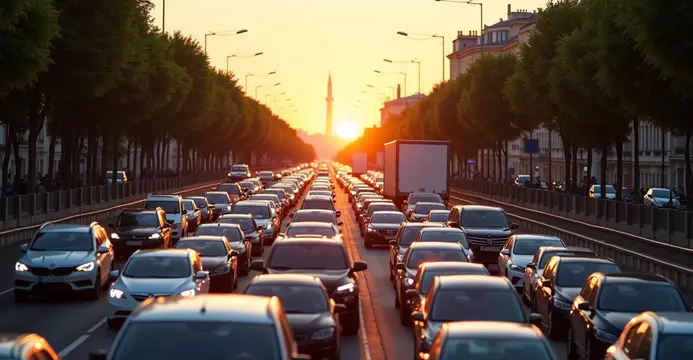
The first Saturday of August 2026 lived up to its ominous nickname as France and much of Europe ground to a halt. On this year's Black Saturday, French highways alone recorded more than 1,000 kilometres of cumulative traffic jams at the peak around noon, with the Autoroute du Soleil between Lyon and Orange seeing delays of up to 3.5 hours. The annual exodus of holidaymakers, combined with returning travellers, created what the ANWB described as a day requiring 'a great deal of patience' from motorists.
What is Black Saturday?
Samedi noir, or Black Saturday, is the French term for the most congested day of the year on the country's roads. It typically falls on the last Saturday of July or the first Saturday of August, when the majority of French schools break for summer and millions of families head south. The French government's traffic monitoring service, Bison Futé, classifies such days as 'extremely dense' — marked in black on its traffic maps. The phenomenon has become synonymous with European summer travel chaos, as neighbouring countries also experience spillover congestion.
Traffic Chaos Across Europe
France: Over 1,000 km of Jams
By midday on 1 August 2026, the cumulative length of traffic jams across France exceeded 1,000 km. The iconic Autoroute du Soleil (A7), the main artery carrying holidaymakers from northern Europe to the Mediterranean, was the worst hit. Between Lyon and Orange, drivers lost an average of 3.5 hours. On the A9 motorway connecting Orange to the Spanish border, delays stretched to 2 hours. 'Automobilisten moeten vandaag veel geduld hebben,' (Motorists must have a lot of patience today) said Eric Evengroen of ANWB traffic information.
Scandinavia and Alpine Routes Also Affected
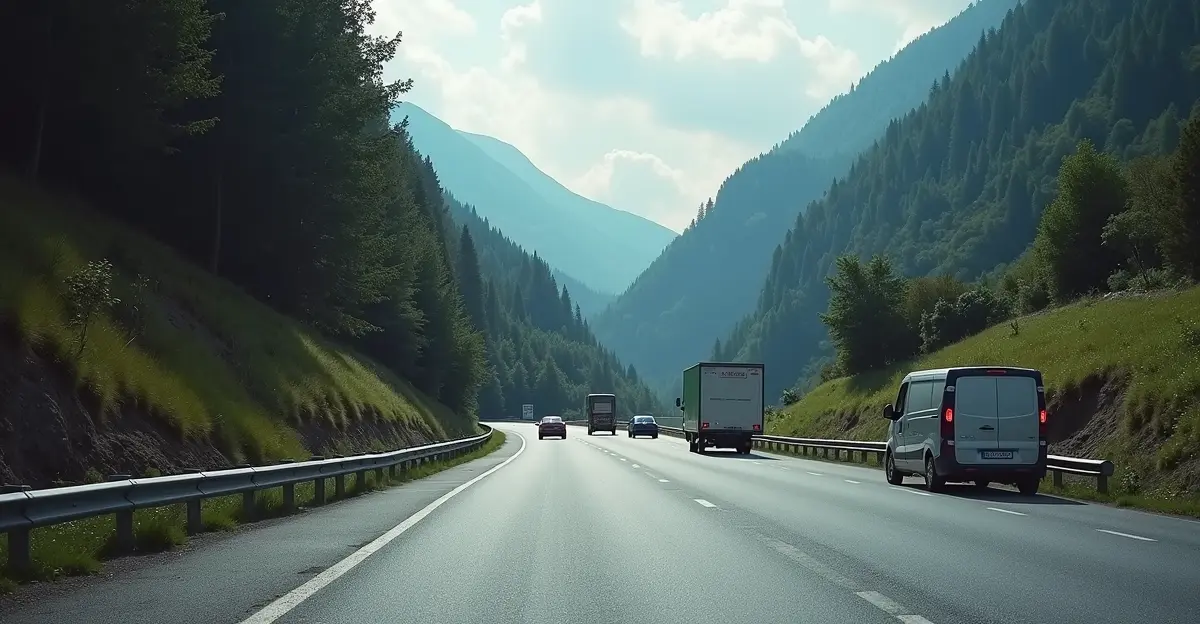
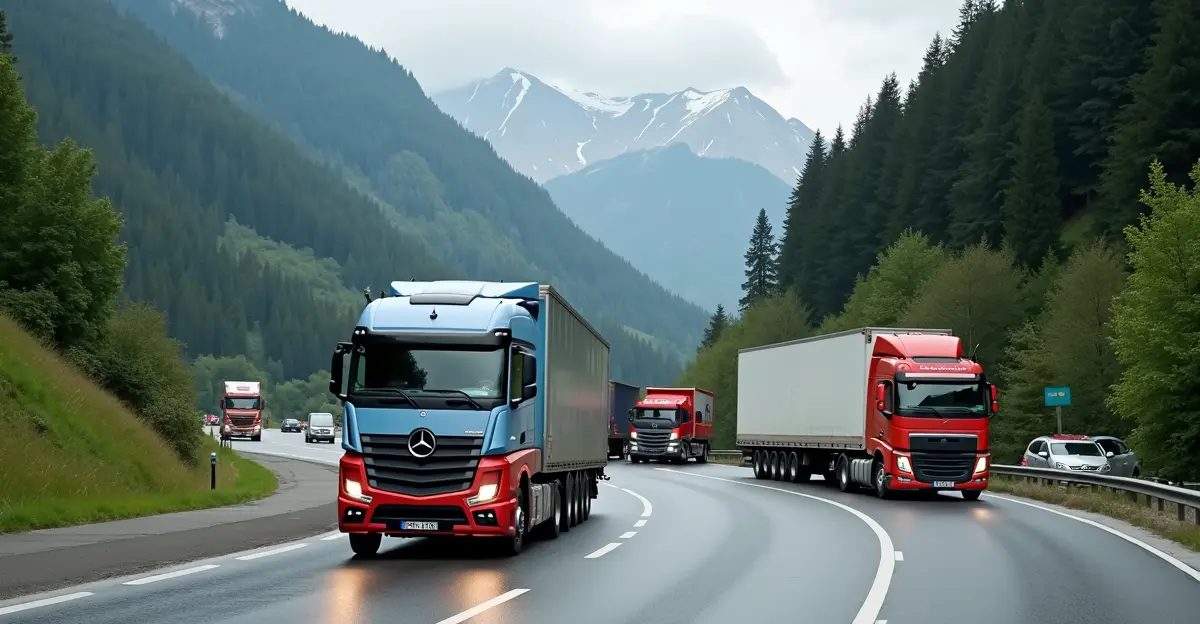
The congestion was not limited to the traditional north-south corridors. In a notable shift, ANWB reported unusually long queues on routes towards Scandinavian countries. The Gotthard Tunnel in Switzerland, a perennial bottleneck, saw kilometres of stationary traffic, as did motorways in Germany heading towards Austria and routes in Austria bound for Italy. This broader geographic spread of jams reflects changing holiday patterns and perhaps a desire to escape the extreme heat that has plagued southern Europe in recent summers.
ANWB Advice: How to Avoid the Jams
Speaking to NOS, Eric Evengroen advised against the common strategy of leaving in the dead of night. 'Mensen die om 04.00 uur vanuit Nederland naar het zuiden rijden, staan urenlang in de file,' (People who leave the Netherlands at 4 a.m. heading south end up stuck in traffic for hours) he said. Instead, the ANWB recommends departing in the afternoon, allowing the worst of the congestion to clear ahead. Better still, Evengroen suggests travelling on a different day: 'Zaterdag is altijd de drukste dag met files, terwijl je morgen of maandag misschien gewoon kunt doorrijden.' (Saturday is always the busiest day for jams, while tomorrow or Monday you might just drive straight through.) This echoes holiday traffic predictions 2026 that urged flexible travel dates.
The Wider Impact
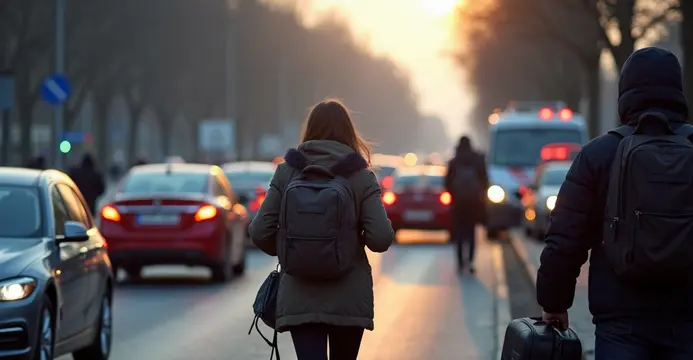
Black Saturday is not just an inconvenience; it carries significant economic and environmental costs. Idling engines burn millions of litres of fuel and generate extra CO₂ emissions. Emergency services can struggle to reach accidents, and the risk of heatstroke rises for those stuck without air conditioning. The French government's classification system for traffic density — green, orange, red, and black — helps drivers plan, but the sheer volume of vehicles often overwhelms the network. The economic toll of such congestion, as explored in road congestion costs Europe, runs into billions of euros annually across the continent.
Frequently Asked Questions
Why is it called Black Saturday?
The term comes from the French traffic monitoring system Bison Futé, which uses the colour black to indicate extrêmement dense (extremely dense) traffic. The Dutch name zwarte zaterdag has been used for decades, even before the French adopted samedi noir.
When is the next Black Saturday expected?
The first Saturday of August is the most likely candidate each year, though the last Saturday of July can also be designated black if holiday calendars align. In some years, both Saturdays are classified as black.
Which roads are worst affected?
The Autoroute du Soleil (A6/A7) from Paris to the south, the A9 towards Spain, and the A10 to Bordeaux are consistently the most congested. Alpine crossings like the Gotthard Tunnel and the Brenner Pass also see heavy traffic.
What is the best time to travel?
ANWB and Bison Futé recommend avoiding early morning departures on Black Saturday. Travelling in the afternoon or on an alternative day (Sunday or Monday) can significantly reduce delays.
How can I check live traffic conditions?
French traffic updates are available at Bison Futé. ANWB provides real-time information for Dutch travellers. Many navigation apps also integrate live traffic data.

Follow Discussion